
Audi celebrates a remarkable milestone in 2026: 50 years of its legendary five-cylinder engine. First introduced in the 1976 Audi 100, this engine has become a cornerstone of Audi's identity, powering everything from rally-winning Quattro to today's high-performance RS 3. Revered for its distinctive sound, thrilling performance, and motorsport pedigree, the five-cylinder is a true symbol of Audi's “Vorsprung durch Technik” slogan which means “Progress Through Technology”.
The first five-cylinder engine solved a problem, four-cylinder engines lacked the power for Audi’s upmarket ambitions, while six-cylinders were too heavy and space consuming. Engineers developed a 2.1L inline-five based on the EA 827 architecture used across the VW group, producing 136 PS. The Audi 100 5E reached customers in March 1977, marking the beginning of a half-century Legacy.
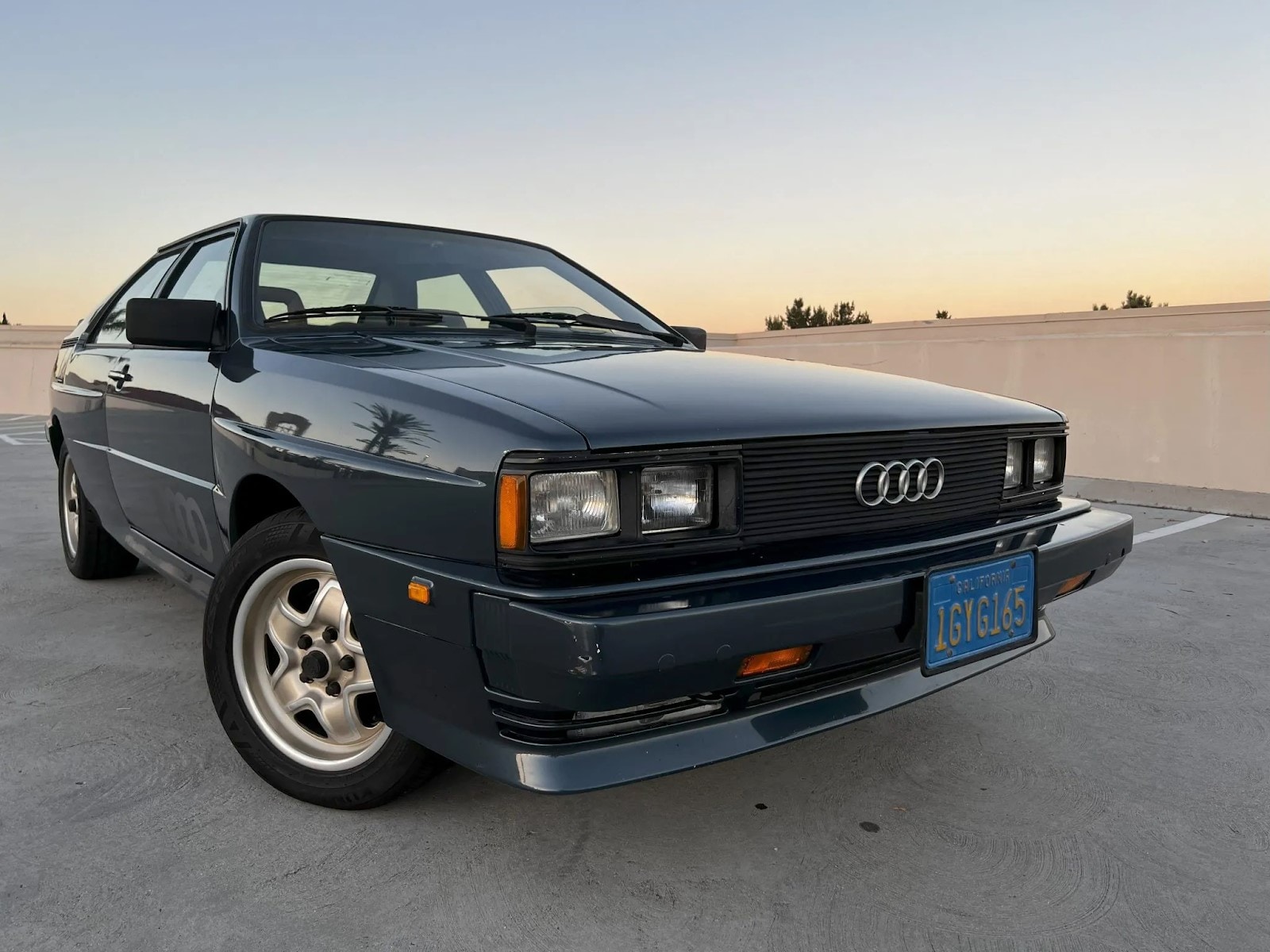
Audi quickly expanded the lineup, introducing a 2.0L diesel in 1978 and the first turbocharged gasoline five-cylinder in 1979 with 170 PS in the Audi 200 5T. The engine became legendary in the 1980 Audi Quattro, combining turbocharging, intercooling, and all-wheel drive for 200 PS. Rally success followed: Audi won the 1982 World Rally Championship manufacturers’ title, and Hannu Mikkola captured the driver's championship in 1983. The five-cylinder clearly excelled on the racetrack.
Audi also pioneered diesel technology with the 1989 100 TDI, a turbocharged direct injection five-cylinder. The 1994 RS2 Avant with 315 PS created the modern super wagon segment, while V6 engines gradually replaced five cylinders in the mid 1990s.
The five-cylinder returned in 2009 with the TT RS, producing 340 PS from 2.5 liters. Updates in the RS 3 and TT RS Plus reached 400 PS and 500 Nm, allowing the RS to sprint 0-100 km/hr in 3.8 seconds. Its signature 1-2-4-5-3 firing order, exhaust design, and optional RS Sports exhaust produce the evocative growl that has become synonymous with Audi performance.
Today, the 2.5 TFSI is hand-assembled at Audi's Gyor plant in Hungary, using lightweight materials, advanced thermal management, and meticulous testing to ensure a peak performance. While electrification may limit the future of five-cylinders, its 50-year legacy of sound, performance, and motorsports success remains unrivaled.